Advancing the Frontiers of Biotechnology & Genomic Sciences
Forging sustainable agricultural solutions through advanced molecular modeling, genomic research, and crop disease resistance.
50+
Peer Reviewed Publications
12
Patents and Pending
15+
Years Experience
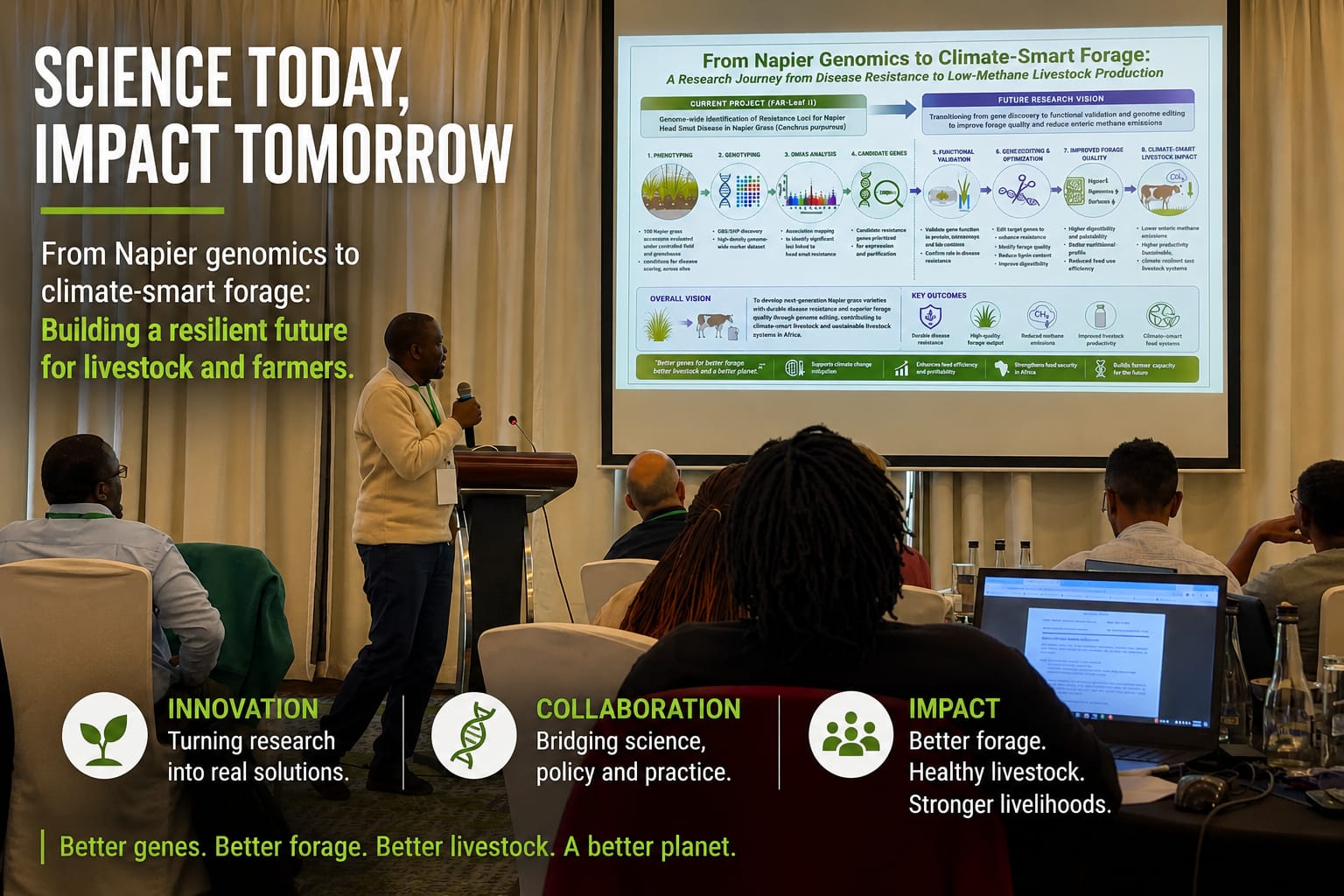
Scientific Vision
My approach is guided by a simple pathway: Discovery, Innovation, and Translation. I believe that Africa's agricultural future will be shaped by our ability to understand our crops at the molecular level, generate and use our own data, develop African scientific capacity, and translate discovery into tangible impact.
Genomic Innovation
Using high-throughput sequencing and molecular data to understand genetic variation in agriculturally important crops, accelerating the development of disease-resistant and climate-resilient varieties.
Sustainable Agriculture
Developing knowledge and technologies that contribute to more resilient agricultural production systems, ensuring food security and ecological balance for future generations.
Open Science
Fostering African-led research collaborations and building computational capacity to ensure Africa owns its data and leads the development of solutions relevant to its farmers.
Research & Impact Domains
Exploring the genetic architecture underlying complex traits through advanced biotechnological and computational approaches.
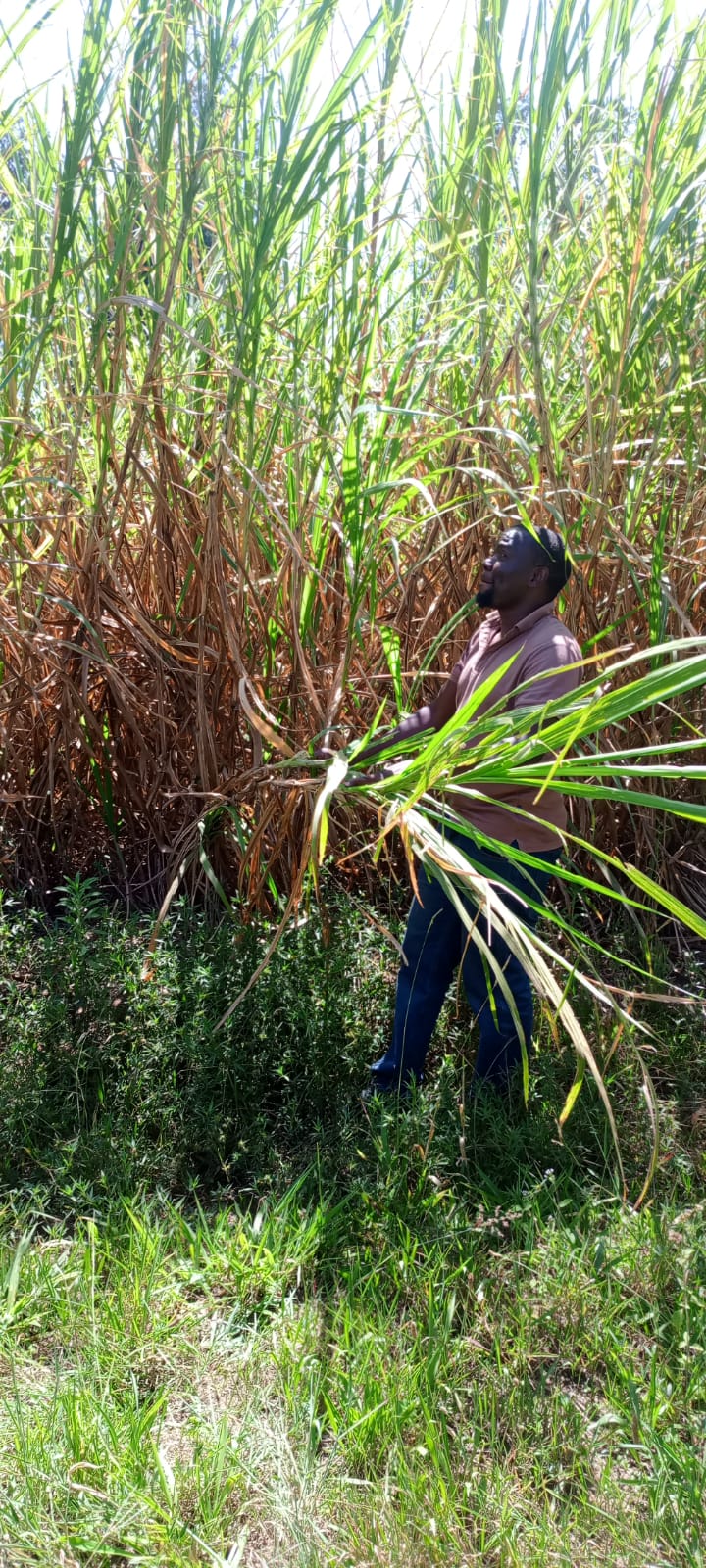
AI in Napier Grass Breeding
Decoding the unseen potential of artificial intelligence and deep learning in reshaping Napier grass breeding for disease resistance.
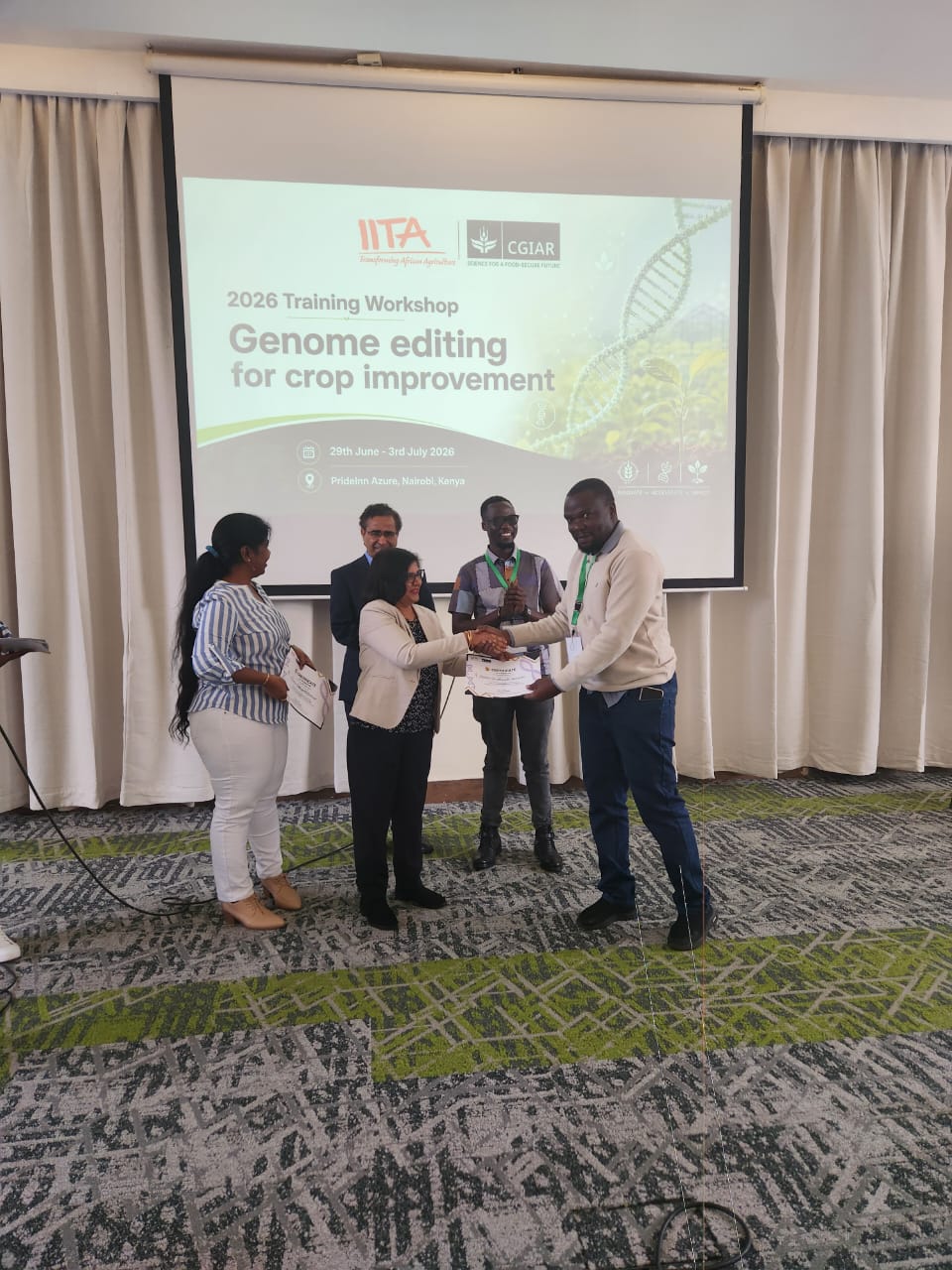
Polyploid Forage Crop Genomics
Integrating genotypic and phenotypic information through statistical genomics and variant analysis in complex polyploid crops.

Terpene Synthase Family Genes
Analysis of Terpene Synthase Family Genes in Camellia sinensis with an emphasis on understanding abiotic stress conditions and metabolic shifts.

Analysis of Terpene Synthase Family Genes
Cytosolic Nudix Hydrolase 1 Plays a Key Role in Terpenoid Metabolism in Tea Plants
This foundational research uncovers the molecular mechanisms underlying metabolic shifts in Camellia sinensis. By understanding these pathways, we open new avenues for developing climate-resilient crops with enhanced metabolic profiles under abiotic stress.